

Understanding OFAC Sanction Checks: Importance and Procedures
The Office of Foreign Assets Control (OFAC) sanction check is a crucial process for businesses engaged in international trade, financial transactions, and various cross-border operations. This governmental body administers and enforces economic and trade sanctions against targeted foreign countries and regimes, terrorists, international narcotics traffickers, and those involved in activities related to the proliferation of weapons of mass destruction. For a thorough understanding of how these checks work, you can explore further details at OFAC sanction check https://americanflyoutfitters.com/pages/ofac-sanction-check-how-it-works.html.
What is an OFAC Sanction Check?
An OFAC sanction check involves assessing whether a person, organization, or financial transaction is listed on one of OFAC’s sanctions lists. These lists include specifically designated nationals (SDNs) and blocked persons, individuals and entities located in sanctioned countries, and others at risk of being associated with illicit activities. The primary objective of conducting these checks is to ensure compliance with U.S. laws and regulations, thereby avoiding severe penalties, fines, and reputational damage.
Why are OFAC Sanction Checks Important?
Sanction checks are vital for several reasons:
- Legal Compliance: Businesses must adhere to U.S. laws concerning trade and financial transactions. Failing to conduct an OFAC sanction check could lead to significant legal repercussions, including fines and sanctions against the company.
- Risk Mitigation: Engaging with sanctioned individuals or entities can expose businesses to legal risks and financial losses. Regular checks help mitigate these risks.
- Reputation Preservation: Companies are increasingly being scrutinized for their ethical practices. Performing due diligence and checking sanctions helps uphold a company’s reputation in the marketplace.
- Regulatory Oversight: Regulatory bodies regularly monitor compliance with OFAC requirements. Companies that fail to perform appropriate checks may be subject to increased oversight or audits.
How to Perform an OFAC Sanction Check?
The process of conducting an OFAC sanction check can be straightforward if you follow these steps:
- Understand the Lists: Familiarize yourself with the different OFAC sanctions lists, including the SDN list and the Sectoral Sanctions Identifications (SSI) list. Understanding these lists will help you identify potential risks.
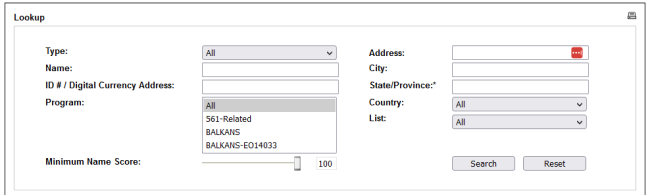
- Access the OFAC Database: The OFAC maintains an online database accessible to the public. Businesses can search for names, birth dates, and other identifiers to see if an individual or entity is on a sanctions list.
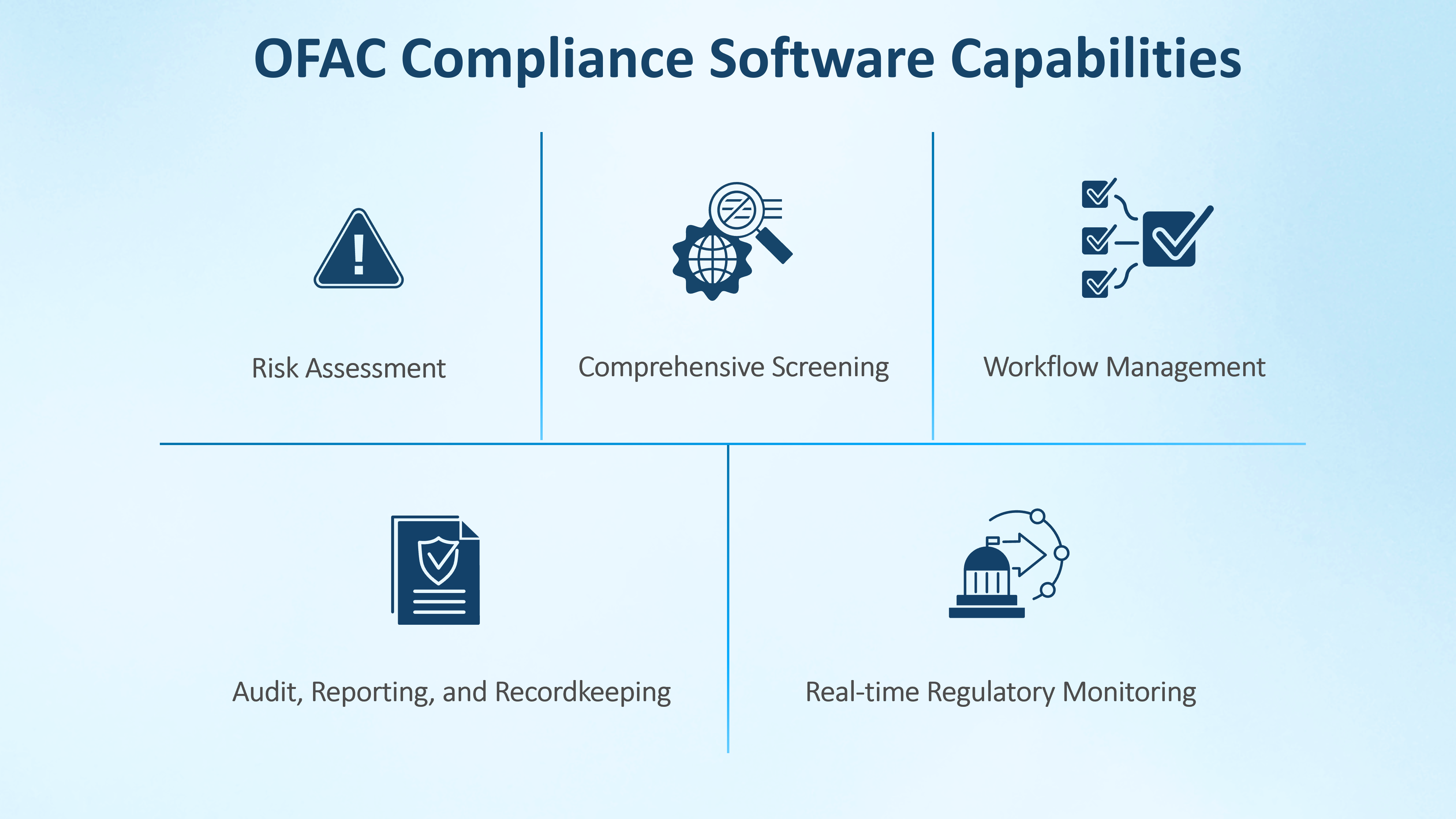
- Use Automated Tools: Many companies use automated compliance software that integrates OFAC checks into their transaction processes to ensure efficiency and accuracy. These tools can scan large volumes of data quickly.
- Review and Document: Always document your findings and keep records of your searches to show compliance in case of an audit.
- Continuous Monitoring: Sanctions lists are updated regularly, so it’s important to incorporate ongoing monitoring into your compliance programs.
Challenges in Conducting OFAC Sanction Checks
While conducting OFAC sanction checks is crucial, several challenges may arise:
- False Positives: The names on the sanctions lists may match many common names, leading to false positives that can cause unnecessary delays and complications.
- Complex Transactions: In complex transactions involving multiple parties across jurisdictions, identifying the sanctioned individuals or entities can be difficult.
- Updating Protocols: As sanctions lists can change frequently, organizations may struggle to keep their compliance protocols up to date.
- Lack of Resources: Smaller businesses may not have access to the same resources and tools as larger corporations, making it more challenging to perform thorough checks.
The Future of OFAC Sanction Checks
The importance of OFAC sanction checks is likely to continue growing as global trade expands and regulatory scrutiny increases. Companies are encouraged to adopt advanced technologies, such as artificial intelligence (AI) and machine learning (ML), to enhance their compliance efforts. These technologies can help automate processes, reduce human error, and provide more efficient monitoring of transactions against sanctions lists.
Conclusion
In a globalized economy, understanding and conducting OFAC sanction checks is essential for all businesses engaged in international operations. These checks not only protect companies from legal repercussions but also serve to ensure ethical business practices in an increasingly scrutinized market. By staying informed and employing effective compliance strategies, businesses can navigate the complexities of sanctions regulations while maintaining their reputations and operations.