


The psychology behind gambling How chicken road influences your decisions at the casino
The Allure of Gambling
The psychology behind gambling is as intricate as the games themselves. The thrill of winning, the excitement of taking risks, and the potential for life-changing jackpots create a powerful draw for many individuals. Casinos are designed to keep players engaged, with bright lights, captivating sounds, and an atmosphere that encourages risk-taking. One way to experience this thrilling excitement is through chicken road 2, which offers fast-paced action. Understanding this allure is crucial for grasping how decisions are made when stepping into a casino.
Moreover, the psychological concept of “loss aversion” plays a significant role in gambling behavior. People are generally more motivated to avoid losses than to achieve gains. This fear of missing out or losing what one has already staked can lead to irrational decision-making. Gamblers often find themselves caught in a cycle of chasing losses, which can perpetuate their gambling habits and influence their choices at the gaming tables.
The Role of Environment
The environment within a casino can profoundly influence decision-making. Factors such as layout, ambiance, and even the presence of other players create a unique social setting that can impact how one approaches gambling. For instance, crowded areas may heighten excitement, prompting players to take bigger risks, while quieter sections might lead to more cautious behavior.
This environmental effect parallels experiences in other games, such as Chicken Road 2, where a fast-paced, dynamic setting demands quick reflexes and precise decision-making. Just as players in a casino respond to their surroundings, gamers must adapt to the challenges presented in the game, which showcases how external stimuli can shape choices in both gambling and gaming contexts.
Cognitive Biases in Gambling
Cognitive biases are mental shortcuts that can distort thinking and lead to irrational decisions. In the realm of gambling, several biases come into play, such as the “gambler’s fallacy,” where individuals believe past events will influence future outcomes. For example, a player may think that a slot machine is due for a payout after a series of losses, ignoring the fact that each spin is independent.
Additionally, confirmation bias can lead gamblers to remember their wins more vividly than their losses, reinforcing the belief that they are “due” for a win. This selective memory can heavily influence decision-making at the casino, causing players to overlook the odds and engage in riskier behaviors based on skewed perceptions of their previous experiences.
The Impact of Skill and Strategy
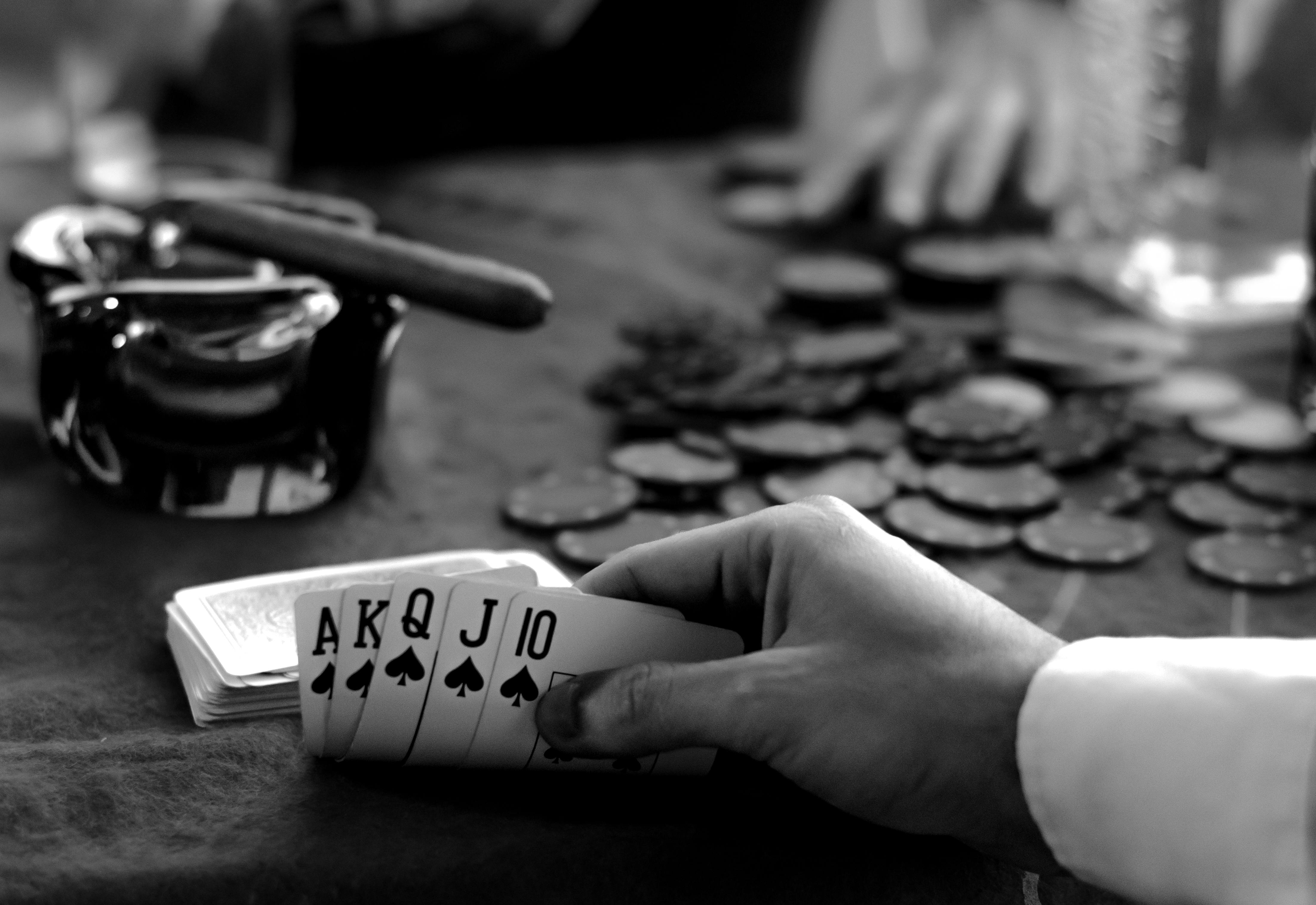
While gambling is often perceived as a game of chance, there is an undeniable element of skill involved, particularly in games like poker or blackjack. Players employ strategies based on probability and psychology, aiming to outsmart their opponents or the house. This level of engagement requires critical thinking and adaptability, much like in a dynamic mobile game. Players must navigate obstacles skillfully to succeed in their gaming experiences.
Understanding the dynamics of skill and luck can influence a player’s approach at the casino. Those who feel confident in their skills may take bolder risks, while others might opt for safer bets. This differentiation in mindset not only affects game selection but also the overall gambling experience, demonstrating the intricate balance between chance and strategy in decision-making.
Exploring More Insights
For those interested in delving deeper into the psychology of gambling, insights into decision-making processes and behavioral tendencies offer valuable information. The relationship between environment, cognitive biases, and skill levels shapes not just gambling experiences, but also extends to other interactive activities, including mobile games like Chicken Road 2. Understanding these connections can enhance your gameplay and risk management strategies.
As we explore these fascinating psychological dimensions, remember that awareness is key. By understanding how your environment and cognitive biases influence your decisions, you can approach both gambling and gaming with a more informed and strategic mindset. Engage with content that challenges your perceptions and enhances your skills, whether at a casino or in a gaming environment.